Common Characteristics:
-
Convenience: Designed to be eaten by hand, often without utensils.
-
Portability: Ideal for picnics, hiking, and packed lunches.
-
Versatility: Can be made with many different fillings or left plain.
-
Preservation: Historically, the salt and, in some cases, the acidity of fillings helped keep the rice fresh.
Rice balls are widely available in Japanese convenience stores (konbini) and have gained global popularity as a quick meal option.

please note
before you start:
☐ Read the recipe once from start to finish
☐ Measure all ingredients
Be sure to keep the onigiri cool with ice packs in an insulated bag and consume within 6 hours.
ingredients
-
½ (5-ounce) can albacore tuna (preferably packed in olive oil) (2.8 oz, 80 g)
-
1 Tbsp Japanese Kewpie mayonnaise
-
Ebi Fumi Furikake or roasted sesame seeds
-
2¼ cups cooked Japanese short-grain rice (hot and freshly cooked, made from 1 rice cooker cup or 150 g of uncooked rice)
-
1 pack of roasted seaweed snack.
-
1 tbsp Mirin
-
1 tbsp Sesame oil
-
Pickled radish
-
Salt and Pepper to taste

pROCEDURE
-
Make the tuna mayo filling. Mix the drained canned tuna, Japanese kewpie mayo, and salt and pepper to taste together in a small bowl. Set Aside.
-
In 2 cups of cooked rice, mix Mirin, and Sesame oil.
-
Get 2 tbsps of cooked rice and flatten them. Make at least 6 flattened portions.
-
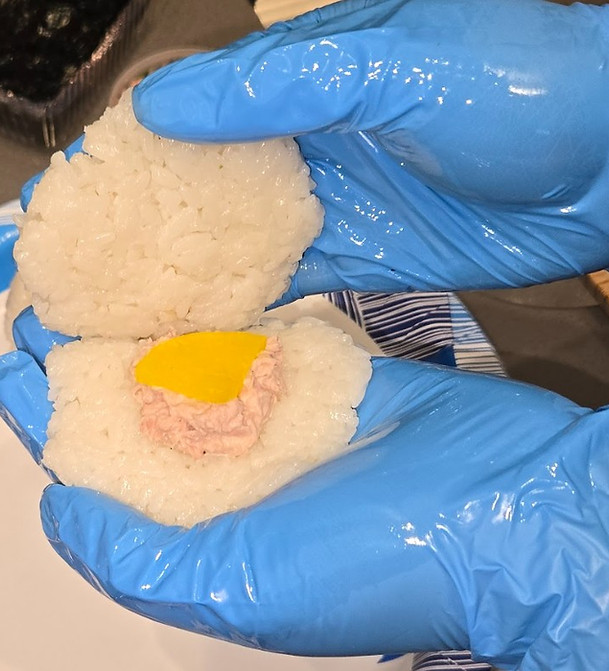
On 1 flattened rice, put 1 tsp of Tuna and top with pickled radish.
-
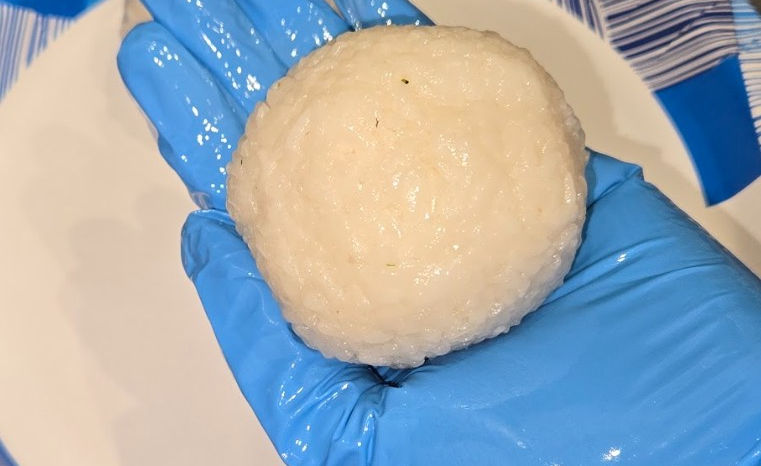
Cover the Tuna mayo with rice and form into a ball.
-
Put roasted seaweed at the bottom of each rice ball
-
Sprinkle sesame seeds in top of each rice or roll the rice ball in furikake
-
Serve and Enjoy!



other serving suggestions


